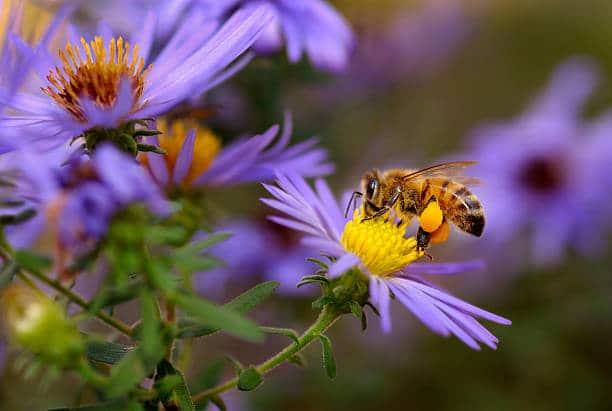
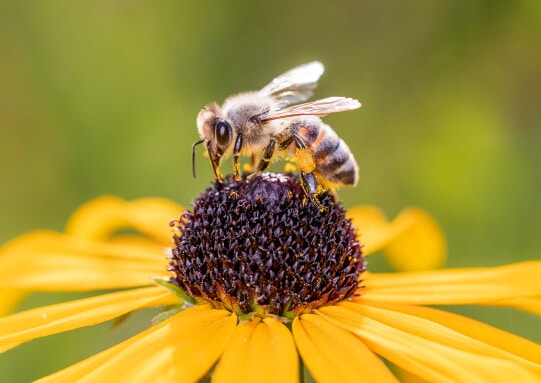
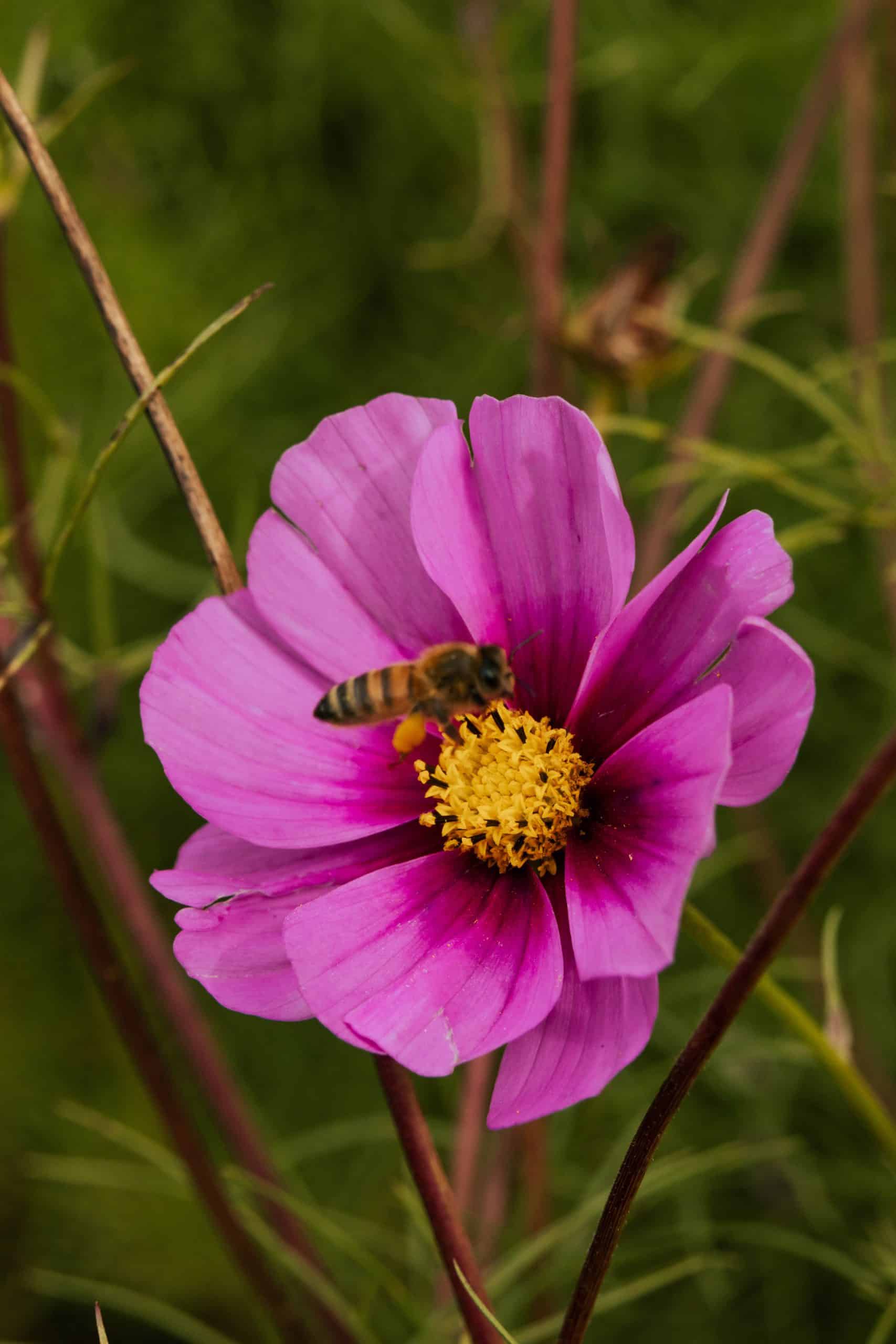
Across the 450-acre property at Standing Rock Farms in Madison, Ohio, honeybees do quiet, essential work. They move through the wildflower meadows, the floriculture fields, the orchard, and the neighboring vineyards of the Grand River Valley — pollinating as they go.
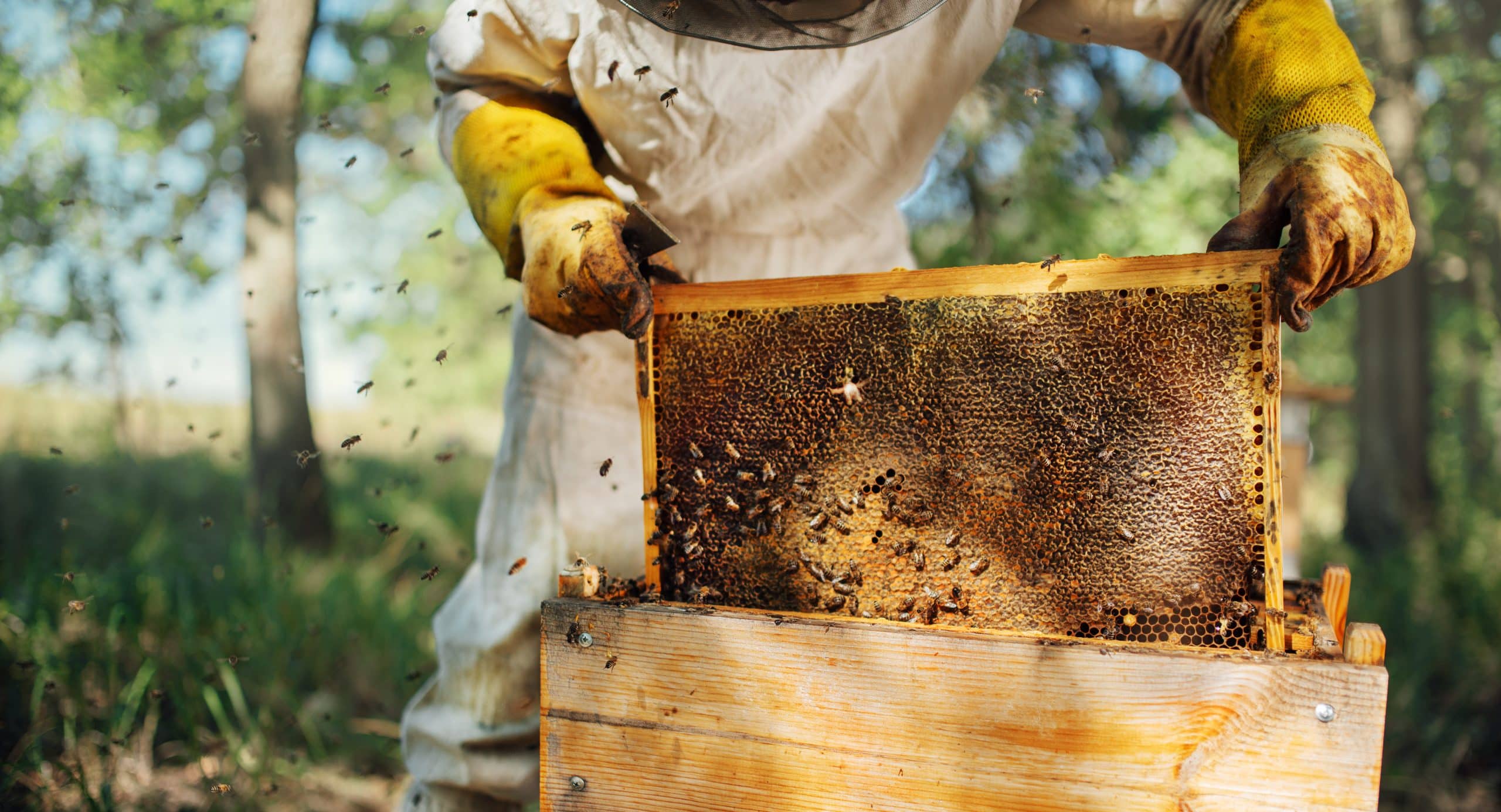
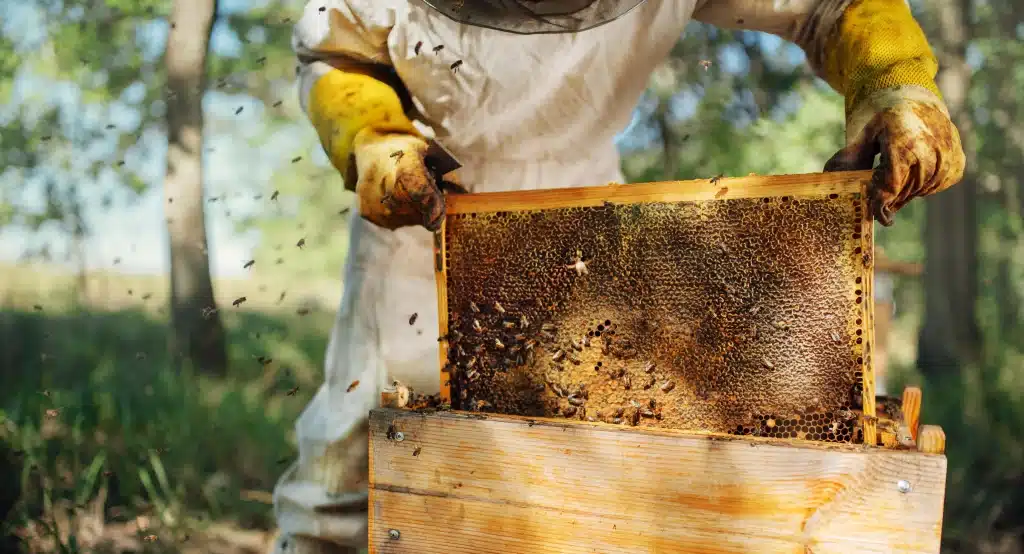
Apiculture is a working part of the farm, not a visitor attraction. Our bees are kept across multiple dedicated areas of the property and managed for the health of the colonies. Beekeeping in Ohio is a long rural tradition, and ours is a small, sustained chapter of it — quietly producing the honey you’ll find on the property throughout the year.
You won’t tour the hives. You’ll simply know they’re here — and taste the result.
Most visitors come to Standing Rock Farms for the lodging, the weddings, or the wine country. The apiary is one of the quiet reasons they stay longer than they planned.
A Working Pollinator Program
Our apiculture program is one of the quieter working systems on the farm. The bees are kept across multiple dedicated areas of the 450-acre property, placed where they can forage across the floriculture fields, the organic garden, the orchard, and out into the wider Grand River Valley landscape.
What the Bees Do for the Farm
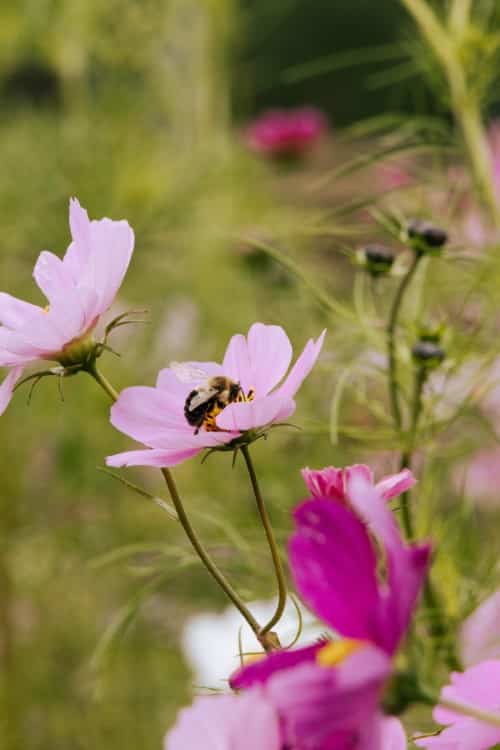
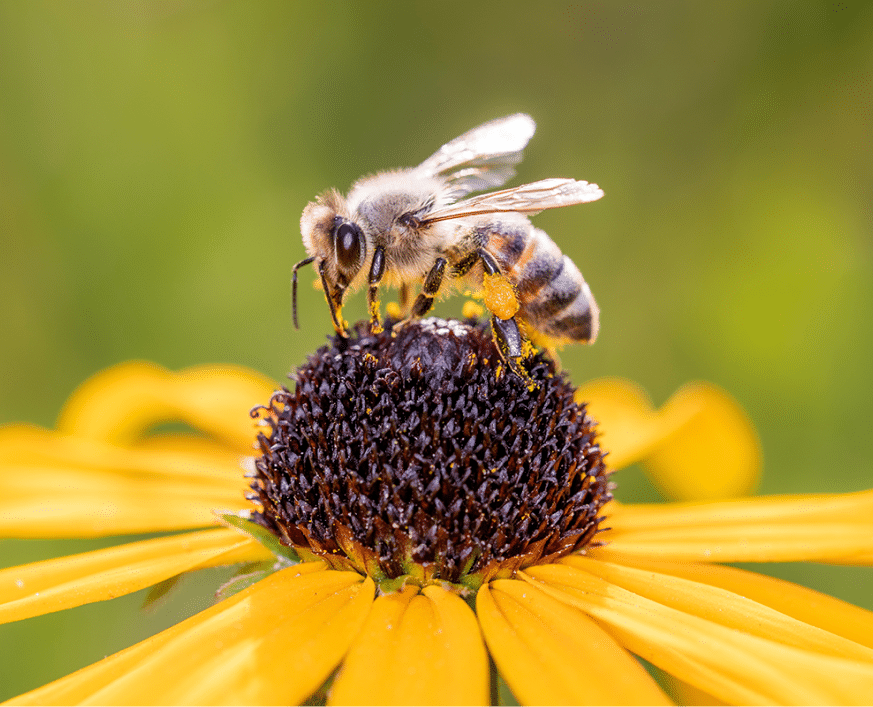
Honeybees are vital members of our farm’s ecosystem. They pollinate the crops, the flower fields, the orchard blooms, and the nearby vineyards — a symbiotic relationship that gives the farm its vibrant, varied character. The diversity of flowers you see across Standing Rock Farms today is part of what our apiculture program supports.
Our beekeeping practices prioritize the health and safety of the colonies, which in turn ensures the quality of the honey they produce. This is a managed, sustained program — not a showpiece.
Honey Available to Guests
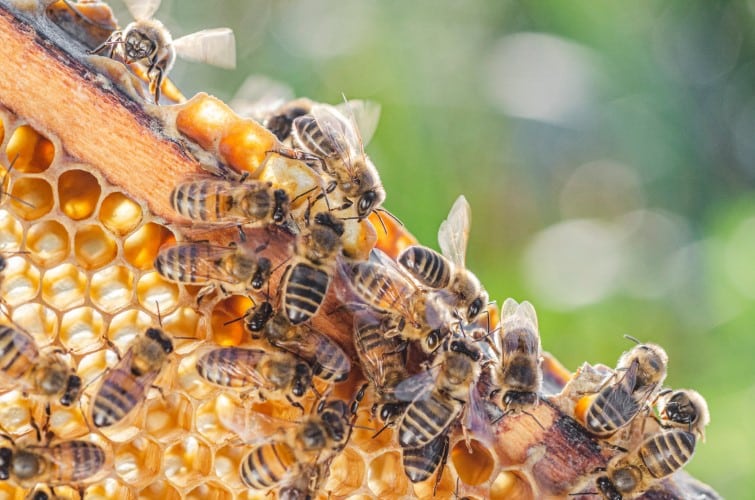
What the bees produce is where guests actually meet the program. Our all-natural, farm-fresh honey is available for purchase throughout the year. It carries the character of the wildflowers, lavender, floriculture blooms, and orchard blossoms the bees have been working all season — a true Grand River Valley wildflower honey.
Our farm-fresh honey is available as a take-home jar during your stay, subject to seasonal harvest availability.
Part of a Larger Working Farm
Apiculture at Standing Rock Farms doesn’t exist in isolation. It is one instrument in a working-farm ecosystem that also includes registered Scottish Highland cattle on regenerative grazing rotations, an organic garden, an orchard, and the floriculture fields the bees pollinate through the growing season. Each piece supports the next.
When Mike and Chelsea purchased the property at auction in 2020, it was a former Boy Scout camp — Camp Stigwandish, named after a Seneca chief whose name meant “standing rock.” What they’ve built in the years since isn’t a venue that borrowed a farm aesthetic. It’s a working farm that happens to host guests. The bees are part of that distinction. They are here because pollinators make everything else on the farm possible — from the flower harvest to the garden yields to the wider agricultural health of Lake County and the Grand River Valley.
That’s the quiet purpose behind the apiary. Ohio beekeeping, at the small, farm-integrated scale, is how a working landscape keeps working.
Inside the Apiary
Pair Your Visit With
If the apiary draws you in, the rest of the working farm will hold you there. Each of these is a natural next step during your stay.
The Flower Fields
Our Bees Pollinate
The floriculture fields run for more than 25 acres through the summer growing season — and they are the primary forage source for our honeybee colonies.
Lodging Closest
to the Apiary
The Woodside Cabins sit nearest the floriculture fields and the farm’s working acreage, making them a favorite with guests who want to wake up close to the quiet rhythm of the property.
The Farm’s Working Heart
Beyond the bees, our registered Scottish Highland cattle graze across the property’s rotational pastures — another anchor of the working farm.
Frequently Asked Questions
What is apiculture at Standing Rock Farms?
Apiculture is the managed keeping of honeybee colonies. At Standing Rock Farms, our bees are kept across multiple dedicated areas of our 450-acre working farm in Madison, Ohio. They pollinate the floriculture fields, organic garden, orchard, and surrounding Grand River Valley vineyards — and produce the farm-fresh honey available to our guests.
Can I visit the hives during my stay?
The apiary is a working part of the farm and is not open for guest visits or tours. The hives are kept in dedicated areas of the property for the health and safety of the colonies. You may spot individual honeybees at work across the flower fields and gardens — where they are welcome to be observed while foraging.
Is Standing Rock Farms honey available for purchase?
Yes. Our farm-fresh honey is available as a take-home jar during your stay, subject to seasonal harvest availability.
What kind of honey do the bees produce?
Our honey is a natural wildflower honey shaped by the diverse forage available across the 450-acre property — wildflowers, lavender, floriculture blooms, orchard blossoms, and the wider vegetation of the Grand River Valley. Color and flavor vary naturally with each season’s bloom conditions.
How does the apiary support the rest of the farm?
Honeybees from our apiary pollinate the flower fields, the orchard, the organic garden, and contribute to the wider agricultural health of Lake County and the Grand River Valley wine region. Pollination is what keeps the commercial floriculture program viable and supports the seasonal fruit and garden harvests.